
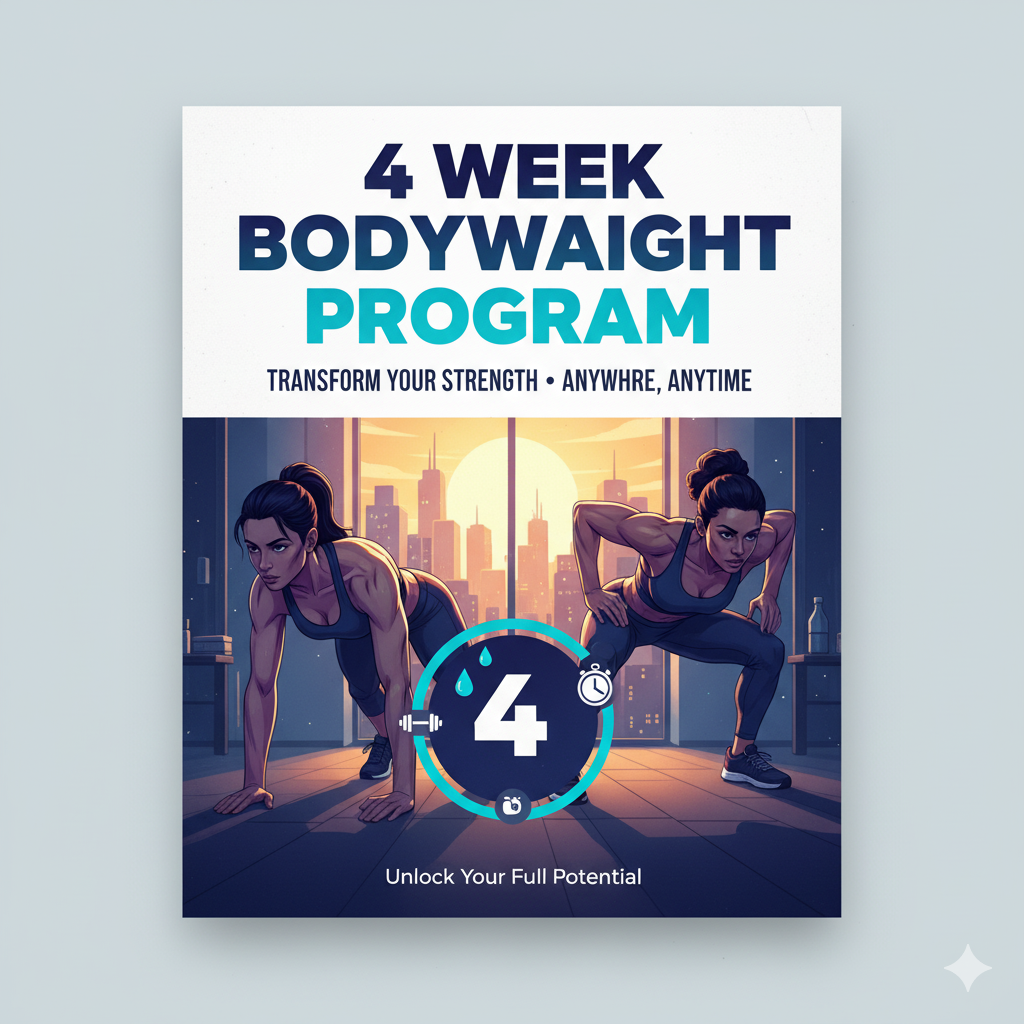
Description
Turbulence Training Guidelines for Maximum Results
Before beginning any workout or nutrition plan, always consult your physician—especially if you’re over 30, overweight, or have health concerns such as high blood pressure, diabetes, or high cholesterol. A complete physical exam ensures you can safely follow the Turbulence Training Guidelines and reach your fitness goals effectively.
The Turbulence Training Guidelines recommend performing each Turbulence Training program for four weeks before switching to a new routine. After every 12 weeks of training, take a one-week recovery break. During this rest period, focus on light, low-intensity exercises to allow your body to fully recover and prepare for the next phase.
You should train three days per week, alternating between Workout A and Workout B. For example, in Week 1, follow an A-B-A schedule, and in Week 2, a B-A-B schedule. Alternate this pattern throughout the four-week cycle.
Additionally, include interval training three days a week. You can perform intervals after your strength workouts or on separate non-strength training days. Always ensure you have at least one full rest day each week to support recovery and muscle growth.
Each pair of exercises in your workout forms a Superset (A1 & A2). Perform one set of each exercise back-to-back without rest. Beginners should rest 30 seconds after each Superset, while advanced trainees can minimize rest time to boost intensity.
Use the recommended lifting tempo—for example, 2-1-1 means two seconds to lower, one-second pause, and one second to lift. End every session with stretching for tight muscle groups. Never skip your warm-up, which includes bodyweight squats, planks, and pushups performed at a controlled pace to prepare your muscles for optimal performance.